Biowatt officially pre-approved by Isometric. learn more ×


.webp)
.webp)
.webp)


.webp)
.webp)
.webp)
Small Biomass Plant with Biomass Gasifier Technology: A Modular Biomass Power Plant Solution for Agro Biomass
As energy costs continue to rise, agricultural businesses, manufacturers, and industrial facilities are looking for more reliable and economical ways to generate electricity.
For many small and medium-sized projects, a traditional large biomass power station may require too much investment, land, construction work, and infrastructure.
A small biomass plant provides an alternative approach.
By combining advanced biomass gasifier technology with a modular biomass power plant design, businesses can convert locally available biomass into electricity and useful thermal energy.
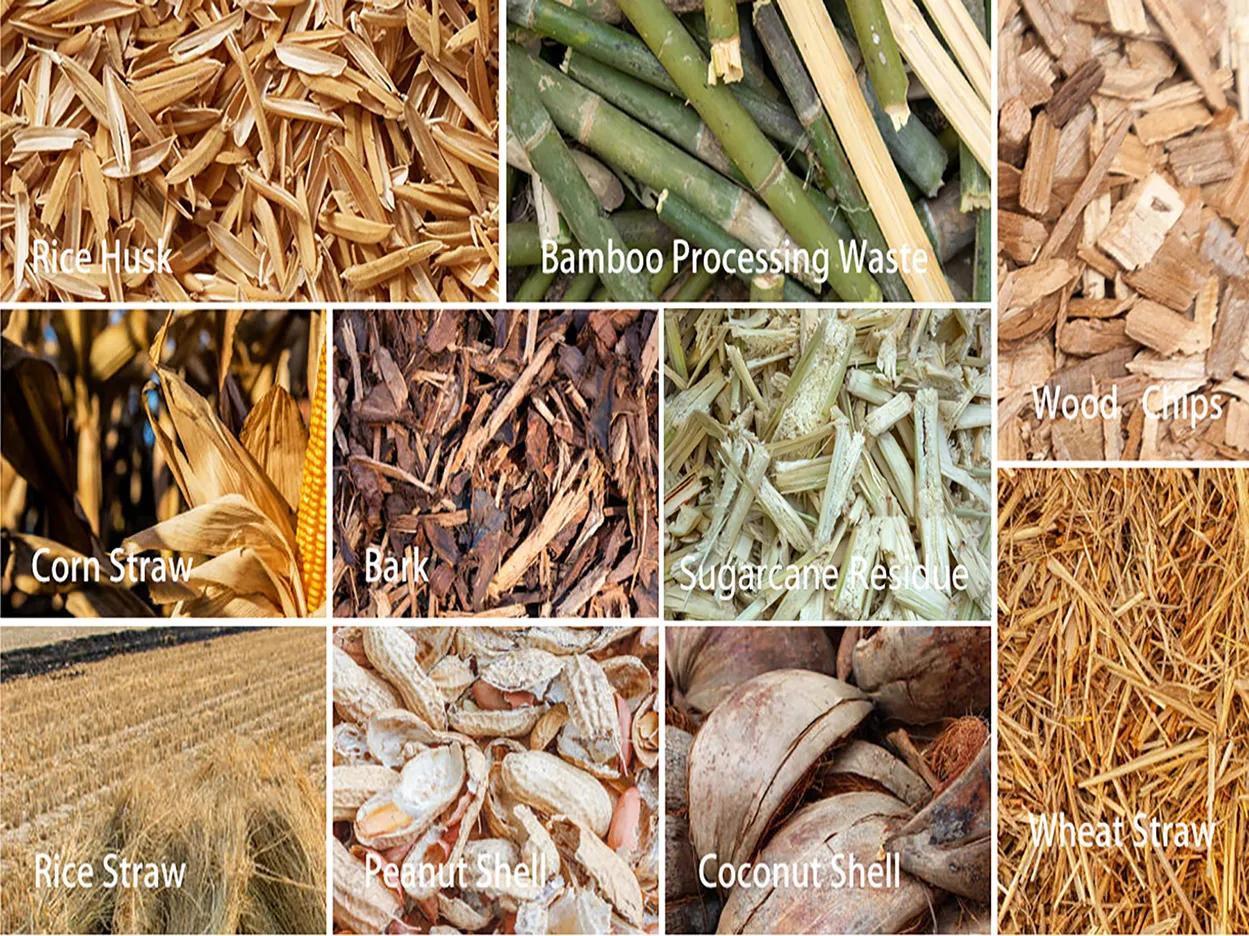
This approach is particularly attractive for companies that have access to agro biomass, including rice husks, coffee husks, coconut shells, crop residues, and other agricultural processing waste.
Biowatt provides modular biomass gasification systems designed for distributed power generation. Its current Biowatt Series includes 100kW, 300kW, 500kW and 1,000kW configurations, with skid-mounted and containerized designs.
Why Small Biomass Plant Projects Are Growing
A small biomass plant can be installed close to the location where biomass is produced and where electricity is consumed.
This creates a localized energy model:
Agro Biomass → Gasification → Syngas → Gas Cleaning → Generator → Electricity
Instead of transporting agricultural residues to a distant power station, companies can potentially use those residues directly at their own facilities.
For example, a rice mill produces rice husk as a by-product while simultaneously consuming electricity for milling, drying, conveying, and other production processes.
A small biomass power plant can potentially transform this biomass residue into an energy resource.
The main benefits can include:
l Local electricity generation
l Reduced dependence on grid electricity
l Reduced diesel consumption
l Better utilization of agricultural residues
l Lower biomass disposal requirements
l Potential heat recovery for industrial processes
Biowatt positions its modular biomass systems for applications including agricultural processing, remote communities, sawmills, and other industrial sites.
How Biomass Gasifier Technology Converts Biomass into Power
Biomass gasifier technology is a thermochemical conversion technology that transforms solid biomass into combustible synthesis gas, commonly called syngas.
The basic process involves controlled heating of biomass under limited oxygen conditions.
The resulting syngas can then be cleaned and used in a power-generation system.
Step 1: Biomass Preparation
Before entering the gasifier, biomass normally needs to meet specific requirements for:
· Moisture
· Particle size
· Feed consistency
· Ash characteristics
· Contamination level
Different biomass materials have different physical and chemical characteristics, so feedstock evaluation is an important part of project design.
Step 2: Biomass Gasification
Prepared biomass enters the gasification reactor.
Under controlled thermal conditions, the solid biomass is converted into combustible gas containing components such as carbon monoxide, hydrogen, and methane.
Step 3: Syngas Cleaning
Raw syngas contains particulates and other contaminants that need to be removed before the gas is supplied to downstream power-generation equipment.
A biomass gasification system therefore requires an appropriate gas cooling and purification process.
Biowatt describes a multi-stage gas cleaning process involving dust removal, cooling, and filtration before syngas is supplied to the generator.
Step 4: Power Generation
After purification, the syngas can be used as fuel for a gas engine or another suitable power-generation technology.
The generator converts the chemical energy in the syngas into electricity.
This allows the biomass gasification system to provide electricity directly at the production site.
Step 5: Heat Recovery
A biomass power system can also be designed to recover useful thermal energy.
Depending on the project, recovered heat may be used for:
· Biomass drying
· Hot water
· Steam production
· Industrial heating
· Process heat
· CHP applications
Biowatt also offers thermal application configurations for industrial heating and combined heat and power applications.
Why Agro Biomass Is an Important Fuel for a Small Biomass Plant
Agro biomass refers to biomass produced by agricultural activities and agricultural processing.
Common examples include:
· Rice husk
· Rice straw
· Coffee husk
· Coconut shells
· Palm residues
· Crop residues
· Agricultural processing waste
For many agricultural regions, these materials are available locally and continuously.
This makes agro biomass particularly interesting for decentralized energy generation.
Rice Husk
Rice mills can generate significant quantities of rice husk.
A biomass gasification system can potentially convert suitable rice husk into syngas and electricity, allowing the rice-processing facility to utilize its own biomass resources.
Coffee Husk
Coffee-processing facilities generate coffee husk and other agricultural residues.
Where the fuel characteristics meet system requirements, these residues can be considered as potential feedstocks for biomass gasification.
Coconut Shells
Coconut processing generates shells and other residues that can have useful energy value.
Depending on the specific material characteristics, coconut-based biomass can be evaluated for biomass gasification applications.
Wood Waste and Agricultural Residues
Sawmills, furniture factories, agricultural processors, and forestry operations can generate wood chips, sawdust, bark, offcuts, and other residues.
Biowatt lists wood chips, bark, sawdust, offcuts, rice husk, coffee husk, coconut shells, and straw among potential feedstock categories for its modular biomass systems.
However, not all agro biomass is automatically suitable for gasification.
Moisture content, particle size, ash content, bulk density, and feedstock consistency should be assessed before selecting the final biomass gasifier technology.
How a Modular Biomass Power Plant Simplifies Project Deployment
One of the key advantages of a modular biomass power plant is that the system can be designed as a series of integrated modules rather than as a large conventional power station.
Biowatt’s modular systems are skid-mounted and containerized, with major components integrated before delivery.
Factory-Integrated Modular Design
Factory pre-assembly can reduce the amount of complex equipment installation required at the project site.
Major systems can be integrated and tested before shipment.
Fast Installation
A modular system can reduce project construction time compared with conventional site-built power plants.
Biowatt states that its modular systems can typically be installed on site within approximately 7–10 working days, depending on project conditions and configuration.
Compact Footprint
Containerized and skid-mounted systems can be suitable for projects where available land is limited.
Biowatt publishes installation areas of approximately 40–50 m² for its 100kW system and 180–200 m² for its 1MW system, although actual site requirements depend on project configuration and supporting equipment.
Scalable Biomass Power Generation
A modular architecture also provides flexibility when electricity demand changes.
Biowatt’s current modular product range includes:
|
Model |
Rated Power |
|
Biowatt 100 |
100 kW |
|
Biowatt 300 |
300 kW |
|
Biowatt 500 |
500 kW |
|
Biowatt 1000 |
1,000 kW |
The company also describes larger-capacity configurations using modular combinations.
Key Benefits of a Small Biomass Plant
A properly designed small biomass plant can offer several potential benefits for agricultural and industrial users.
Lower Dependence on Grid Electricity
Companies with significant electricity demand may use biomass-based generation as an alternative or supplement to grid electricity.
The actual economic benefit depends on local electricity prices, biomass costs, operating hours, financing, and system performance.
Better Utilization of Agro Biomass
Agricultural residues can become a local energy resource rather than simply a waste-disposal problem.
This can be especially valuable for businesses that already have a consistent biomass supply.
Distributed Power Generation
Generating power close to the point of consumption can reduce the need to transport fuel over long distances and can provide an alternative source of electricity for remote or weak-grid sites.
Combined Heat and Power
When a factory requires both electricity and thermal energy, a biomass gasification system can potentially be integrated with heat recovery.
This can increase overall energy utilization.
Reduced Biomass Waste Disposal
Using suitable agricultural residues for energy generation can reduce the amount of biomass requiring transportation or disposal.
Small Biomass Plant Applications for Agro Biomass
The combination of small biomass plant, biomass gasifier technology, and agro biomass can be suitable for a variety of applications.
Small Biomass Plant Applications for Agro Biomass
The combination of small biomass plant, biomass gasifier technology, and agro biomass can be suitable for a variety of applications.
Rice Mills
Rice mills can potentially use rice husk generated during milling as a fuel source for on-site electricity generation.
Coffee Processing Plants
Coffee-processing facilities can evaluate coffee husk and other residues as potential biomass fuel.
Palm Oil Processing
Palm oil production generates several types of biomass residues.
A biomass energy system can be evaluated for electricity and thermal applications depending on the available feedstock.
Sawmills and Wood Processing
Sawmills can produce wood chips, sawdust, bark, and offcuts.
These residues can potentially be used in biomass gasification when their characteristics meet the requirements of the selected system.
Remote Industrial Sites
Remote factories, agricultural facilities, mines, and processing plants may benefit from decentralized biomass power where reliable grid electricity is unavailable or diesel fuel is expensive.
Biowatt’s Power Generation solution specifically targets agricultural and industrial waste-to-power applications and describes its systems as skid-mounted, factory-tested, and designed for rapid deployment.
How to Select the Right Biomass Gasifier Technology
Selecting the appropriate biomass gasifier technology requires more than simply choosing a desired electrical output.
The feedstock should be evaluated first.
Feedstock Type
Different biomass materials behave differently during gasification.
A system designed for clean wood chips may require a different configuration from one processing agricultural residues with higher ash or moisture characteristics.
Moisture Content
High moisture content can affect gasification performance and may increase the need for biomass drying.
Therefore, the actual moisture level of the available biomass should be tested.
Biomass Availability
The project should evaluate:
· Daily biomass availability
· Seasonal fluctuations
· Storage capacity
· Transportation distance
· Biomass purchasing cost
· Long-term supply stability
Power Demand
The plant should be sized according to the site’s electricity demand.
For example, a facility requiring approximately 300kW may not need to install a 1MW system unless future expansion or additional applications justify the larger capacity.
Heat Demand
If the site also requires drying, hot water, or steam, a combined heat and power configuration may improve the overall utilization of the biomass resource.
Why Choose a Modular Biomass Power Plant from Biowatt?
Biowatt focuses on modular biomass gasification solutions for distributed electricity and thermal energy applications.
Its Biowatt Series integrates biomass feeding, gasification, gas cleaning, power generation, and control systems into a compact modular configuration.
100kW to 1MW Modular Biomass Power Generation
The current Biowatt Series includes 100kW, 300kW, 500kW and 1,000kW configurations.
This range allows customers to select a system according to their electricity demand and biomass availability.
Containerized and Skid-Mounted Design
The modular architecture is designed for transportation and rapid deployment.
This can be particularly useful for agricultural facilities and industrial sites where conventional power plant construction would be difficult.
Factory Pre-Assembly and Testing
Factory assembly and testing can reduce on-site installation work and help simplify project commissioning.
Biowatt states that its modules are load-tested at the manufacturing facility before shipment.
Flexible Agro Biomass Feedstock Options
The Biowatt Series is designed to work with various biomass categories, including agricultural residues and forestry-related biomass.
The company also offers different configurations according to feedstock characteristics, including standard, high-temperature filtration, oxygen-enriched gasification, and thermal integration options.
Explore Biowatt Biomass Power Generation Solutions
If your facility has a stable supply of agro biomass and requires reliable electricity, a small biomass plant may provide a practical pathway toward decentralized power generation.
The combination of biomass gasifier technology and a modular biomass power plant allows businesses to convert suitable agricultural and industrial residues into useful energy while reducing dependence on conventional fuels.
The right system, however, depends on the specific feedstock, power demand, operating conditions, and site requirements.
Biowatt can evaluate your biomass resource and energy requirements to help determine the appropriate biomass gasification solution.
FAQ
What is a small biomass plant?
A small biomass plant is a relatively compact power generation system designed to convert biomass into electricity and, in some configurations, useful thermal energy. It can be suitable for agricultural facilities, factories, sawmills, remote sites, and agro-processing plants.
How does biomass gasifier technology work?
Biomass gasifier technology converts solid biomass into combustible syngas through controlled thermal conversion under limited oxygen conditions. The syngas can then be cleaned and used for electricity or heat generation.
What is a modular biomass power plant?
A modular biomass power plant is a biomass power generation system designed using integrated modules, often in skid-mounted or containerized configurations. This approach can simplify transportation, installation, and project deployment.
What is agro biomass?
Agro biomass refers to agricultural residues and by-products such as rice husk, coffee husk, coconut shells, crop residues, straw, and other biomass generated from farming and agricultural processing.
Can agro biomass be used in a small biomass plant?
Yes, suitable agro biomass can be used as a fuel source for a small biomass plant. However, feedstock properties such as moisture, particle size, ash content, and composition should be evaluated before selecting the biomass gasifier technology.
How much power can a modular biomass power plant generate?
Biowatt’s current modular Biowatt Series includes 100kW, 300kW, 500kW and 1,000kW configurations. Larger systems can also be developed through modular configurations depending on project requirements.
Is biomass gasifier technology suitable for rice mills?
A rice mill can be a potential application for biomass gasifier technology because rice milling generates rice husk. The suitability depends on the quantity and characteristics of the available rice husk and the mill’s electricity and thermal requirements.
How long does it take to install a modular biomass power plant?
Installation time depends on the system configuration and site conditions. Biowatt states that its modular biomass systems can typically be installed on site within approximately 7–10 working days.
What information is needed for a biomass gasifier technology quotation?
A preliminary project evaluation normally requires information such as:
· Biomass type
· Biomass quantity
· Moisture content
· Particle size
· Available operating hours
· Required electrical output
· Current electricity consumption
· Site location
· Heat or steam requirements
This information helps determine the appropriate biomass gasifier technology and modular biomass power plant configuration.
Conclusion
A small biomass plant can provide a practical solution for businesses that have access to locally available biomass and need reliable electricity.
With modern biomass gasifier technology, suitable agro biomass can be converted into combustible syngas and subsequently into electricity.
When combined with a modular biomass power plant architecture, the system can offer a compact, scalable, and potentially faster-to-deploy alternative to conventional biomass power plant construction.
For rice mills, coffee processors, palm oil facilities, sawmills, agricultural businesses, and remote industrial sites, biomass gasification can turn locally available residues into a valuable energy resource.
Have agro biomass available at your site? Contact Biowatt to evaluate your feedstock and design a suitable biomass power generation solution.
WhatsApp: +86 138 1208 3566
Tel: +86 510 68229610(Working hours:8:30am-5:00pm)
Email: info@biowatt-energy.com/sales@biowatt-energy.com
CONTACT US
We are a clean technology enterprise specializing in developing and offering sustainable solutions, utilizing biomass, waste, and coal as our raw materials.
We eagerly anticipate collaborating with you!


Contact US
Product Information
Quantity
Unit
Piece
Support order samples, customization, wholesale direct, and complete payment. If the product you look for does not have corresponding customized content, pls fill out the form below to contact us, and we will reply ASAP.