Biowatt officially pre-approved by Isometric. learn more ×


.webp)
.webp)
.webp)


.webp)
.webp)
.webp)
Bio Energy Farm Solutions: Bio Mass Power Plant and Bio Waste Energy for Sustainable Power Generation
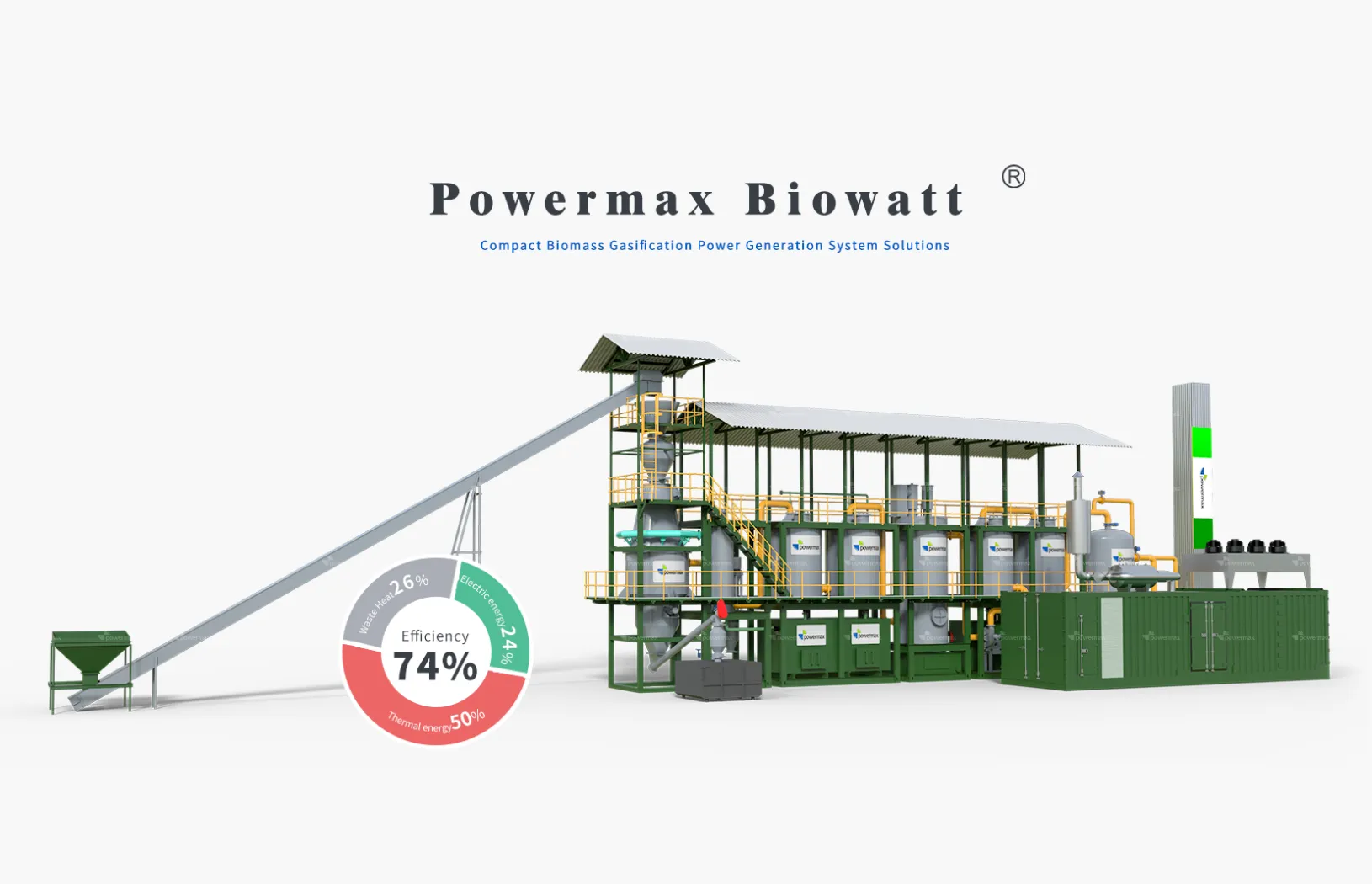
Agricultural and industrial businesses generate large amounts of biomass every day. Rice husks, wood chips, sawdust, crop residues, coffee husks, coconut shells and other organic materials are often treated as waste, even though they contain valuable energy.
A bio energy farm can change this situation by turning locally available biomass into useful electricity and heat.
With modern biomass gasification technology, a bio mass power plant can convert suitable biomass waste into combustible gas, generate electricity, and potentially provide thermal energy for industrial processes.
This creates a practical bio waste energy model:
Biomass Waste → Gasification → Bio Plant Gas / Syngas → Power Generation → Electricity + Heat
Biowatt provides modular biomass gasification systems designed to convert agricultural and industrial waste into electricity. Its current Biowatt Series includes 100kW, 300kW, 500kW and 1,000kW configurations, with modular skid-mounted and containerized designs.
Why Is Bio Energy Farm Development Becoming More Important?
A bio energy farm is not limited to a traditional agricultural farm.
The concept can also apply to agricultural processing facilities, biomass collection centers, agro-industrial parks and rural energy projects where a stable supply of biomass is available.
Many agricultural businesses face three challenges at the same time:
· Increasing electricity costs
· Large quantities of agricultural waste
· Unstable or insufficient grid power
Instead of treating biomass only as a waste-disposal problem, companies can evaluate it as a local energy resource.
A properly designed biomass energy system can connect the two sides:
Agricultural Production → Biomass Waste → Energy Conversion → Electricity and Heat
This is particularly attractive when biomass is generated close to the point where electricity is consumed.
Biowatt describes its biomass power generation solution as a way to convert agricultural and industrial waste into electricity, with applications including rice mills, palm oil plants, wood-processing factories, food and beverage facilities, manufacturing plants and remote locations.
What Is a Bio Mass Power Plant?
A bio mass power plant is a power generation facility that uses biomass as its primary energy resource.
Depending on the technology, biomass can be combusted, gasified or processed through other thermochemical or biological conversion processes.
For biomass gasification power generation, the basic process is:
Biomass Feedstock → Gasification → Gas Cleaning → Bio Plant Gas / Syngas → Generator → Electricity
Compared with simply transporting biomass to a centralized power station, a distributed bio mass power plant can be installed close to the source of the biomass and the electricity demand.
This can be useful for:
· Rice mills
· Sawmills
· Agricultural processing plants
· Palm oil facilities
· Food-processing factories
· Rural energy projects
· Remote industrial facilities
Biowatt’s modular systems are designed for distributed energy utilization and include power-generation configurations from 100kW to 1MW.
How Does a Bio Mass Power Plant Work?
The key technology behind a modern biomass gasification power system is the conversion of solid biomass into combustible gas.
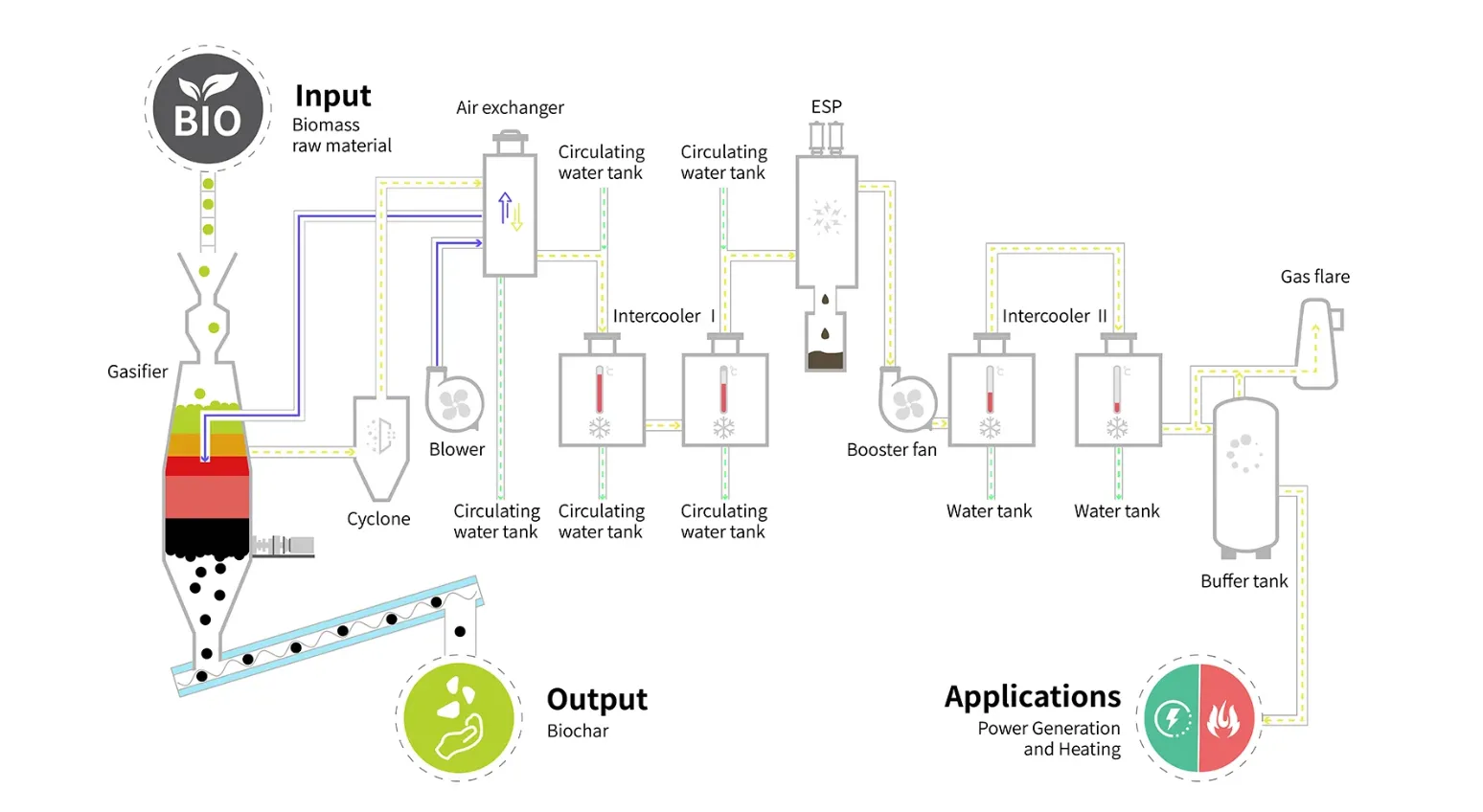
Biomass Preparation
The first step is preparing the biomass.
Depending on the feedstock, preparation may include:
· Size reduction
· Screening
· Drying
· Removal of contaminants
· Controlled feeding
Feedstock characteristics have a direct influence on gasification performance.
Biowatt’s published Biowatt system specifications indicate a typical fuel size range of 20–80 mm and moisture content of no more than 15% for the listed configurations. Actual requirements should be confirmed for each specific feedstock and project.
Biomass Gasification
The prepared biomass enters the gasifier and is heated under controlled, oxygen-limited conditions.
Instead of directly burning the biomass, the process converts it into combustible gas.
This gas is commonly called syngas or biomass gas.
Bio Plant Gas and Syngas Cleaning
Raw biomass gas contains particles and other contaminants.
The gas therefore needs to pass through appropriate cooling and purification equipment before being supplied to the generator.
Biowatt describes a biomass gasification system integrating gasification, gas purification and power generation. Its published system information also describes cooling, dust removal and tar-control processes.
Electricity Generation
After cleaning, the biomass gas can be supplied to a suitable gas engine generator.
The chemical energy contained in the gas is converted into electrical energy.
Heat Recovery
The system can also be configured for thermal applications.
Potential uses include:
· Biomass drying
· Hot water
· Steam
· Industrial heating
· Hot air
· Combined heat and power
Biowatt’s website lists power generation, thermal applications, industrial boilers, industrial dryers and industrial furnaces among its application areas.
What Is Bio Waste Energy?
Bio waste energy refers to energy generated from suitable organic waste and biomass resources.
Instead of viewing agricultural residues only as waste, businesses can evaluate their energy value.
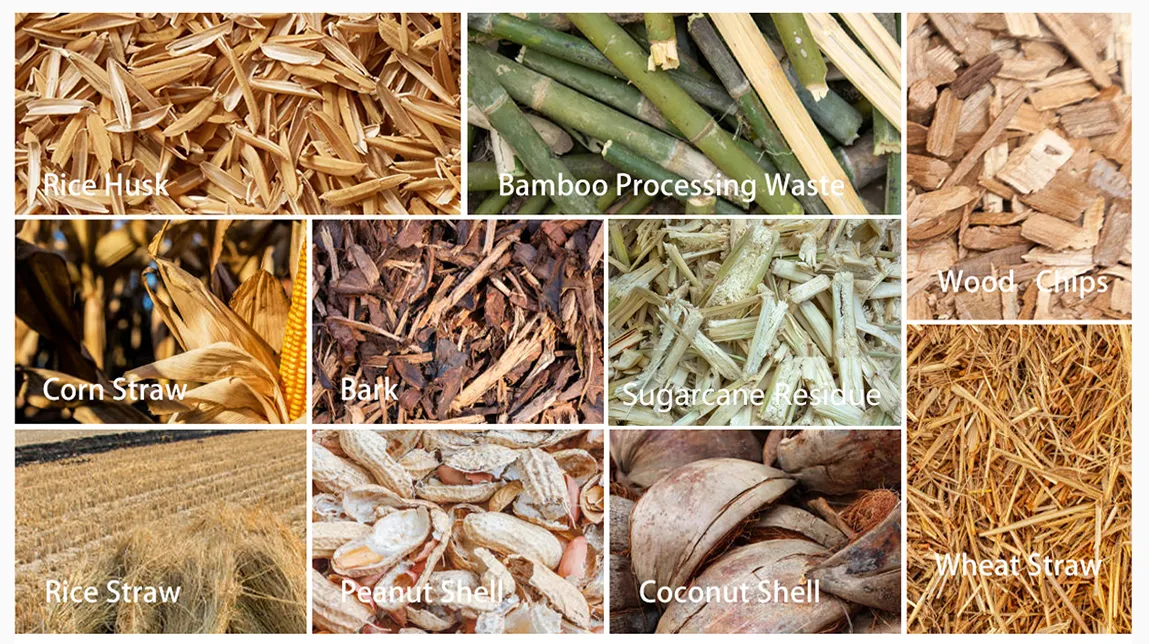
Typical bio waste energy feedstocks may include:
· Rice husk
· Rice straw
· Wood chips
· Sawdust
· Bark
· Wood offcuts
· Coffee husk
· Coconut shells
· Crop residues
· Other suitable agricultural biomass
Biowatt lists wood and forestry residues, agricultural residues and selected processed waste among potential feedstocks for its modular biomass systems.
The basic concept is simple:
Bio Waste → Energy Conversion → Useful Energy
However, not every type of organic waste is suitable for every gasification system.
Feedstock should be evaluated based on:
· Moisture content
· Particle size
· Ash content
· Bulk density
· Chemical characteristics
· Availability
· Seasonal variations
How to Select Bio Waste Energy for Your Project
When companies select bio waste energy solutions, the first step should be understanding the available biomass rather than immediately choosing the largest power plant.
Step 1: Identify the Biomass Source
Determine where the biomass comes from.
For example:
· Rice milling
· Wood processing
· Coffee processing
· Coconut processing
· Palm oil production
· Agricultural production
Step 2: Measure Biomass Availability
A power project requires a reliable fuel supply.
Important information includes:
· Tons of biomass per day
· Operating days per year
· Seasonal changes
· Storage capacity
· Transportation distance
Step 3: Analyze Moisture Content
Moisture has a major influence on biomass gasification.
High-moisture biomass may require additional drying before it can be efficiently used.
Step 4: Determine Energy Demand
The required power capacity should be based on actual electricity consumption.
Biowatt currently offers modular systems from 100kW to 1,000kW, allowing different project sizes to be considered.
Step 5: Consider Heat Demand
If a factory needs both electricity and thermal energy, the project can potentially be designed around combined heat and power.
This can improve the overall utilization of the biomass resource.
What Types of Biomass Can Be Used for Bio Waste Energy?
Rice Husk
Rice mills can generate large amounts of rice husk.
Where the fuel characteristics are suitable, rice husk can be evaluated as a feedstock for biomass gasification and electricity generation.
Wood Chips and Sawdust
Sawmills and wood-processing factories often produce wood chips, sawdust, bark and offcuts.
These materials can provide a relatively consistent biomass resource when properly prepared.
Coffee Husk
Coffee processing produces coffee husk and other agricultural residues.
The suitability of these materials should be evaluated according to their moisture, ash and physical characteristics.
Coconut Shells
Coconut-processing operations can generate coconut shells and other residues with useful energy value.
Agricultural Residues
Crop residues and other agricultural by-products can also be considered for bio waste energy projects.
Biowatt specifically lists rice husk, coffee husk, coconut shells and straw among agricultural-residue feedstocks for its modular biomass systems.
Why Choose a Modular Bio Mass Power Plant?
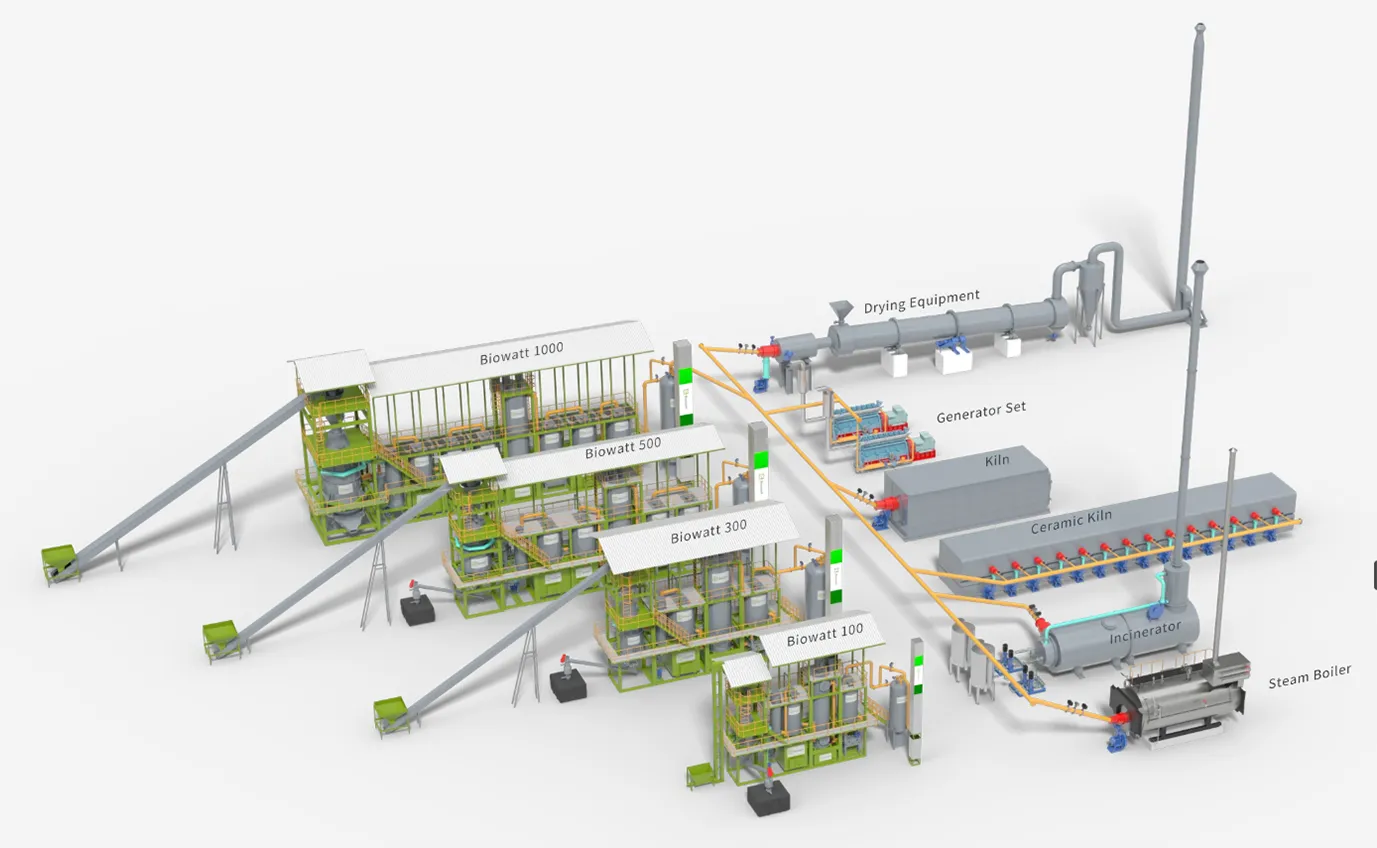
A modular bio mass power plant can be particularly attractive for distributed energy projects.
Instead of constructing a large conventional power station entirely on site, major components can be integrated into compact modules.
Skid-Mounted Design
Skid-mounted equipment can simplify transportation, installation and system integration.
Containerized Configuration
Containerized systems can provide weather protection and help reduce building requirements.
Biowatt states that its systems are skid-mounted, containerized and factory-tested before delivery.
Fast Installation
A modular design can reduce the amount of on-site construction work.
Biowatt’s published information states that its small-scale systems can be installed on site in approximately 7–10 working days, depending on project conditions.
Compact Footprint
The modular approach is useful where available land is limited.
Biowatt publishes installation-area ranges of approximately 40–50 m² for the 100kW system, 65–80 m² for 300kW, 90–110 m² for 500kW and 180–200 m² for 1MW. Actual project requirements depend on system configuration and supporting facilities.
Scalable Power Generation
Modular systems can also make it easier to match the plant capacity with the current electricity demand.
Biowatt’s current product range includes:
|
Model |
Rated Electrical Output |
Biomass Consumption |
|
Biowatt 100 |
100 kW |
100–150 kg/h |
|
Biowatt 300 |
300 kW |
300–450 kg/h |
|
Biowatt 500 |
500 kW |
500–750 kg/h |
|
Biowatt 1000 |
1,000 kW |
1,000–1,500 kg/h |
These are published reference specifications; final fuel consumption depends on feedstock characteristics and operating conditions.
FAQ
What is a bio energy farm?
A bio energy farm is a site or agricultural energy system that uses locally available biomass resources to produce useful energy such as electricity, heat or fuel. It can involve agricultural farms, biomass collection facilities or agro-industrial operations.
What is a bio mass power plant?
A bio mass power plant is a power generation facility that uses biomass as an energy source. In a gasification-based system, biomass is converted into combustible gas and then used to generate electricity.
What is bio waste energy?
Bio waste energy is energy produced from suitable organic waste and biomass residues such as agricultural waste, wood-processing residues and other renewable biomass resources.
What does bio plant gas mean?
Bio plant gas can refer to combustible gas produced from biomass or organic feedstock. In a biomass gasification power plant, this gas is commonly referred to as syngas and can be used for power generation after appropriate cooling and purification.
How do I select bio waste energy for my project?
To select bio waste energy technology, first evaluate the biomass type, quantity, moisture content, particle size, ash characteristics, electricity demand, heat demand and site conditions. These factors help determine the appropriate technology and plant capacity.
What biomass can be used in a bio mass power plant?
Potential feedstocks include rice husk, wood chips, sawdust, bark, wood offcuts, coffee husk, coconut shells, straw and other suitable agricultural or forestry residues. Feedstock suitability must be evaluated for each project.
How much power can a Biowatt biomass power plant generate?
The Biowatt Series currently includes 100kW, 300kW, 500kW and 1,000kW configurations. Larger projects can be considered through modular configurations depending on project requirements.
Can a bio energy farm generate both electricity and heat?
Yes. Biomass gasification systems can potentially be configured for combined heat and power. Heat can be used for applications such as drying, hot water, steam and industrial heating.
How long does a modular biomass power plant take to install?
Biowatt states that its small-scale modular systems can typically be installed on site within approximately 7–10 working days, depending on project conditions and configuration.
What information is needed to design a bio mass power plant?
A preliminary assessment normally requires:
· Biomass type
· Biomass quantity
· Moisture content
· Particle size
· Electricity demand
· Operating hours
· Site location
· Heat or steam requirements
· Biomass storage conditions
This information allows the engineering team to evaluate a suitable biomass gasification and power-generation configuration.
WhatsApp: +86 138 1208 3566
Tel: +86 510 68229610(Working hours:8:30am-5:00pm)
Email: info@biowatt-energy.com/sales@biowatt-energy.com
CONTACT US
We are a clean technology enterprise specializing in developing and offering sustainable solutions, utilizing biomass, waste, and coal as our raw materials.
We eagerly anticipate collaborating with you!


Contact US
Product Information
Quantity
Unit
Piece
Support order samples, customization, wholesale direct, and complete payment. If the product you look for does not have corresponding customized content, pls fill out the form below to contact us, and we will reply ASAP.